
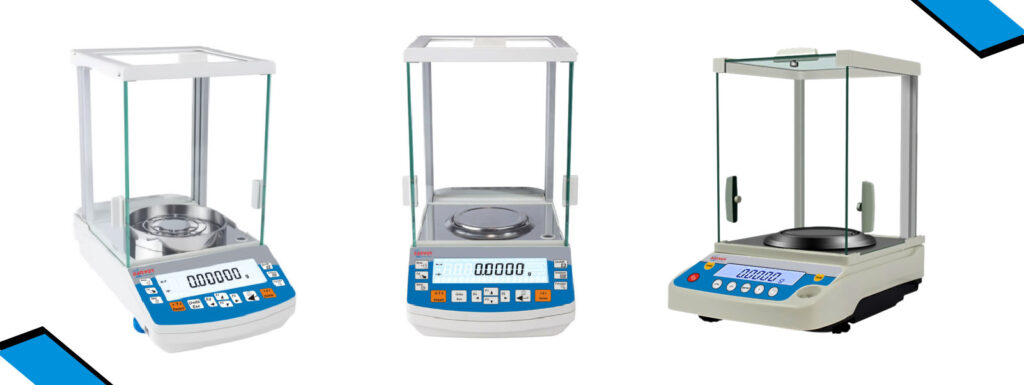
Analytical Balances vs Weighing Balances Danwer Scales India
Precision is crucial in the fields of scientific research, laboratory testing, and quality assurance. Precise measurements serve as the foundation for trustworthy outcomes and deductions. Weighing and analytical balances are essential for reaching this level of accuracy. We’ll examine the worlds of weighing and analytical balances in this blog article, as well as their applications and important considerations when selecting the best balance for your particular requirements.
Knowing the Basics: Let’s first make sense of the basic ideas underlying weighing balances and analytical balances before getting into the specifics.
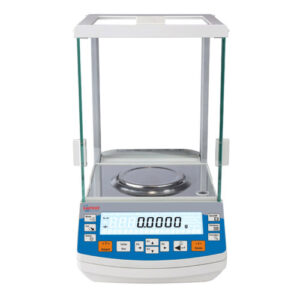
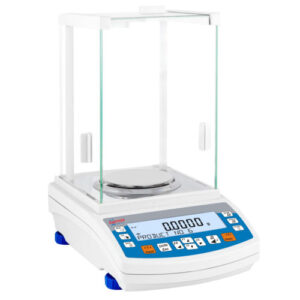
Analytical balances:
When it comes to measurement accuracy, analytical balances are the best. They are made to give incredibly precise readings, frequently as exact as 0.1 milligrams (0.0001g). Industries requiring great precision, like forensic investigations, pharmaceutical research, and chemical analysis, are commonly employed for these balances.
Weighing Balances:
Conversely, weighing balances are more adaptable and used in a greater variety of settings. Their readability usually ranges from 1 milligram to 0.1 gram, and they provide good accuracy. Weighing balances are frequently employed in fields that may not require the extreme precision of analytical balances, such as manufacturing, food production, and environmental testing, but yet require exact measurements.
Comparing Weighing Balances with Analytical Balances
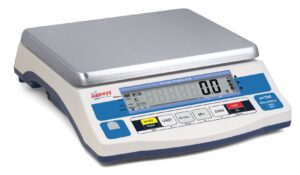
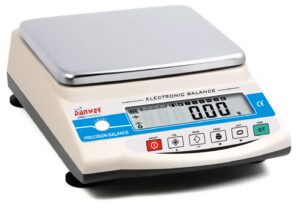
Let’s now compare these two kinds of balances using a number of criteria:
Accuracy:
When it comes to accuracy, analytical balances triumph. They are ideal for studies where every decimal point counts because of their extraordinary precision in measuring small quantities. Even though they are accurate, weighing balances work best in applications that don’t need to be as precise.
Capacity:
Compared to weighing balances, analytical balances are less capacious. They are inappropriate for larger, bulk measurements because they are made for small sample sizes. Weighing scales are more appropriate in these circumstances due to their larger capacity.
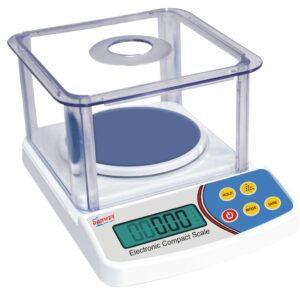
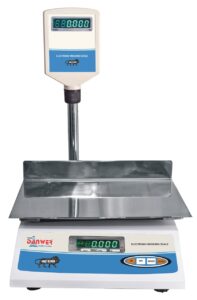
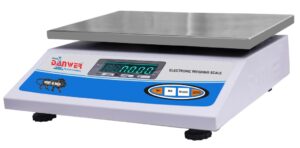
Cost:
Because of their unique design and higher level of precision, analytical balances are more expensive. Applications that do not require the same level of precision can find weighing balances to be more affordable.
Selecting an Appropriate Balance:
Depending on your unique needs, you can choose the right mix. Think about the following elements:
The type of samples you have and how precise they need to be.
Your financial limitations.
The amount of space that is available in your office or lab.
The sector or domain in which you are employed.
In conclusion, weighing balances and analytical balances are both crucial instruments for achieving accuracy and precision. You may make an informed decision if you comprehend their distinctions and take into account your particular needs. Whether you need the versatility of a weighing balance or the exact accuracy of an analytical balance, one thing is for sure: both tools make a big difference in the fields of industry, science, and quality control.